

What Is a Shell-In Tube Boiler? How They Work and Why They’re Still Used
When you manage a commercial building, school, healthcare site or industrial estate, heating isn’t something you leave to chance. Boiler rooms need to be reliable, predictable, and backed by equipment that can meet demand day after day. That’s one reason shell-in tube boilers remain such a familiar sight across UK plant rooms, even with newer technology available.
Shell-In Tube boilers are one of the oldest boiler designs still in operation, yet they’ve refused to disappear for a simple reason: they work. Straightforward construction, solid operational dependability, and relatively simple servicing make them a strong match for facilities that need heat or steam without unnecessary complexity.
Below, we break down what shell-in tube boilers are, how they operate, and why so many UK organisations continue to depend on them.
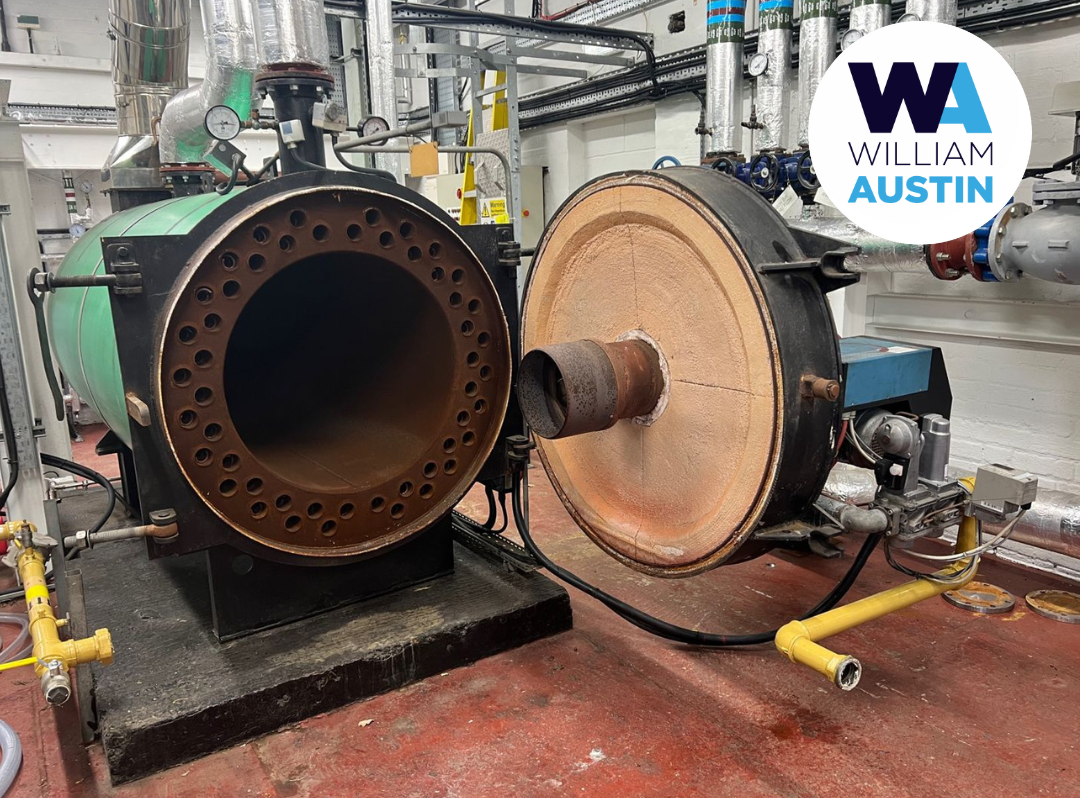
What Is a Shell-In Tube Boiler And How They Work
A Shell-in Tube boiler is a commercial boiler design where hot combustion gases travel through tubes surrounded by water inside a sealed pressure vessel. Heat transfers from the gases into the surrounding water, producing hot water or steam for the building. The design is simple, and that simplicity is its greatest advantage.
Here’s the core operating process:
The burner ignites fuel inside the furnace chamber
Hot gases travel through tubes submerged in water
Heat passes from the tubes into the surrounding water
The heated water circulates or converts into steam
Steam or hot water is distributed to the building system
The lower number of moving components means less that can go wrong, making shell-in tube systems appealing for continuous-duty sites.
Why They’re Still Widely Used
Despite advances in boiler design, shell-in tube boilers remain popular because:
Reliability matters, and when serviced properly, they deliver dependable performance over long operational lifespans.
Serviceability is straightforward, access is generally easier than in more complex boiler types, helping engineers diagnose and repair issues faster.
Smooth operation at modest pressures, most commercial sites don’t need high-pressure steam, making fire-tube systems a logical fit.
Predictable heating performance, whether you’re heating large internal spaces or producing process steam, output stays consistent and reliable.
As a commercial heating services provider, we continue to service, maintain, and support shell-in tube systems across the UK, keeping them compliant, safe and running efficiently.
Where Shell-In Tube Boilers Are Used
You’ll find these boilers in facilities where reliable heating or steam generation is a daily operational requirement, including:
Commercial buildings and office estates
Manufacturing and processing plants
Schools, universities, and academies
Hospitals and healthcare environments
Warehouses and distribution centres
Care homes and public buildings
Because these sectors prioritise predictability and maintenance simplicity, the shell-in tube design remains a strong fit.
Why Maintenance Matters
A shell-in tube boiler only performs as well as it’s maintained. Facilities typically prioritise:
Annual commercial servicing
Safety checks and burner testing
Cleaning and tube inspections
Correct water treatment
Combustion and controls checks
Routine, planned maintenance improves energy performance, prevents unexpected breakdowns and extends boiler life, benefits every budget holder can appreciate. While shell-in tube boilers are known for being robust and dependable, they still rely on routine care to operate safely and efficiently. Over time, soot can build up inside the tubes, combustion settings can drift, and water quality can shift, all of which slowly reduce performance.
Regular maintenance helps facilities teams stay ahead of issues rather than reacting to them. Typical servicing tasks include tube cleaning, burner checks, safety device testing, water treatment management and ensuring the boiler is running to correct specification. These checks not only help prevent breakdowns but also support energy efficiency, improve combustion quality and extend the lifecycle of the boiler itself.
For commercial buildings, planned servicing is what keeps heating steady, keeps fuel bills predictable and prevents downtime during periods of peak demand. Whether the boiler is heating classrooms, office buildings or large industrial spaces, proactive maintenance ensures it remains an asset, not a liability.
Final Thoughts
Shell-In Tube boilers may be a traditional design, but they remain trusted for a reason. With the right servicing and support, they continue delivering reliable heat and steam where businesses need it most, without unnecessary complexity or disruption.
If your organisation operates Shell-In Tube boilers and wants to maximise efficiency, safety and uptime, a proactive maintenance approach can make all the difference and keep your system performing at its best throughout the year.
Written by Will Judd
Published: 08/01/2026