

Why HVAC Fan Motors Fail, and How to Prevent It
When it comes to keeping a commercial building comfortable, efficient and operational, the humble fan motor doesn’t usually get the spotlight. It powers away in the background, keeping air moving, temperatures regulated and systems stable. But when a fan motor begins to fail, or even worse, stops altogether, downtime, discomfort and unexpected costs can escalate quickly.
Understanding why HVAC fan motors fail, and more importantly how to prevent it, is one of the smartest ways businesses can protect their equipment, reduce running costs and their building operating smoothly. Here’s a practical breakdown for facilities managers, business owners and maintenance managers who want to stay ahead of avoidable issues.
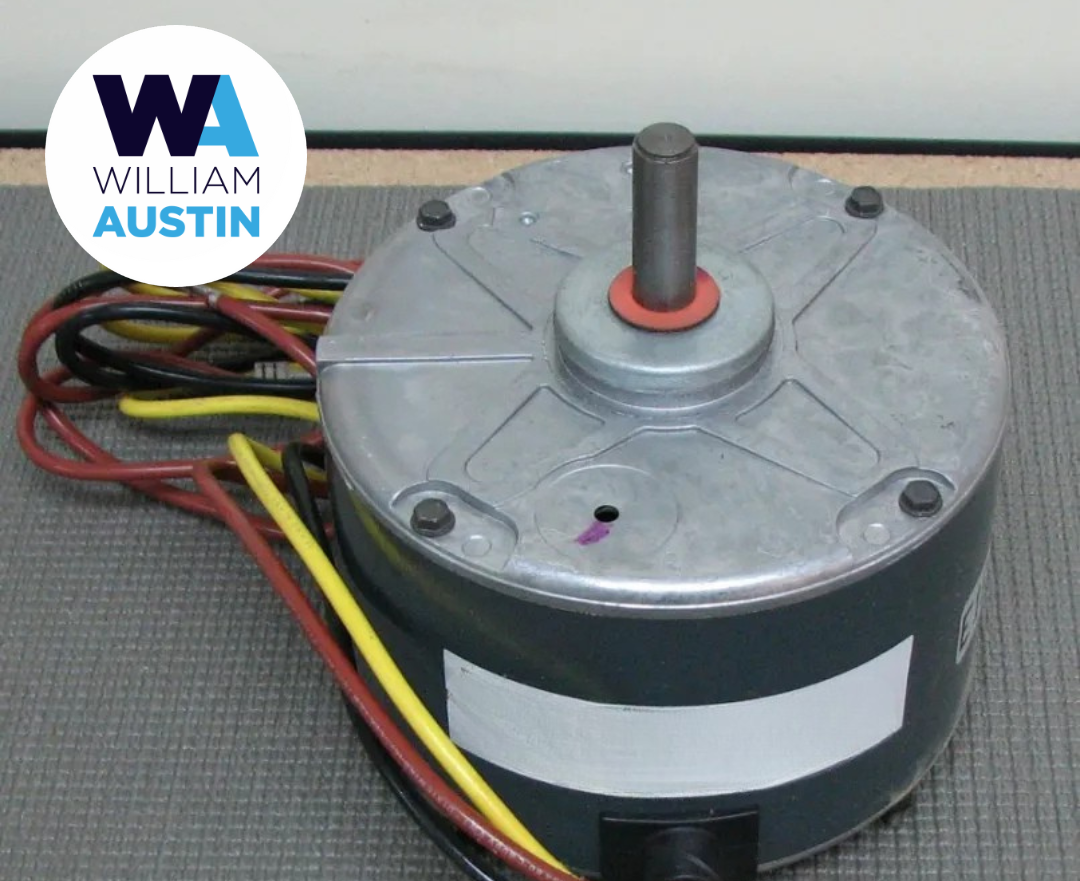
Why Fan Motors Fail: The Most Common Causes
1. Dirt, Dust and Debris Build-Up
Commercial environments naturally generate dust, whether it’s from footfall, production processes, office activity or external air intake, and over time, these contaminants could settle on fan blades and motor components, forcing the motor to work even harder.
2. Worn Bearings and General Wear
Even the highest-quality fan motors have parts that wear down over time. Bearings are particularly vulnerable, and when they begin to degrade, you’ll usually hear about it first… literally. Grinding, squeaking or rumbling noises are all signs that the motor is struggling. Commercial HVAC systems often run for long hours or even continuously, so worn bearings are one of the most common causes of fan motor failure across commercial sites
3. Electrical Faults and Power Issues
Fan motors rely on stable electrical supply, and when things happen like voltage spikes, or the wiring loosens, the motor winds up taking the hit. This can lead to overheating, rapid deterioration or even sudden failure. Faulty capacitors can also stop the fan motor from starting or running properly, they’re small components, but they’re also vital.
4. Poor Airflow Due to Blocked or Dirty Filters
Airflow is a huge part in HVAC, and when filters are clogged, airflow drops, and the fan motor must compensate by working a lot harder than it should. This is one of the quickest ways to push a fan motor towards burnout. During winter, when heating demand is high and filters see heavier use, blocked filters are responsible for a large portion of motor failures.
5. Incorrect Installation or Sizing
In commercial buildings, fan motors need to be correctly matched to system size, airflow demands and operational load, and undersized motors will run constantly at maximum effort, while oversized motors can cause system imbalance. If a motor wasn’t correctly installed or the system was modified without rebalancing, failure becomes far more likely.
How to Prevent Fan Motor Failure in Commercial HVAC Systems
The good news? Most fan motor failures are avoidable with the right maintenance approach, and here’s what businesses can do to keep things running smoothly.
1. Prioritise Preventative Maintenance
A planned preventative maintenance (PPM) schedule is one of the most effective ways to protect fan motors, or any HVAC equipment in general.
During routine servicing, engineers can:
Clean components
Check bearings
Inspect wiring and capacitors
Test motor performance
Spot early wear-and-tear signs
Preventing a failure is always cheaper than reacting to one, especially in a busy commercial building.
2. Keep Air Filters Clean and Replace Them Regularly
This is all sounding simple right? That’s because it is! Clean filters protect airflow, energy efficiency and motor longevity, and in commercial settings, filters often need replacing manually based on usage, system type and air quality. Seasonal peaks are key times to double-check filter condition, even a slight blockage can place major strain on the fan motor and drive energy costs up.
3. Address Unusual Noises Early
A noisy fan motor is rarely “just a noisy fan motor.” Grinding, rattling, squealing or humming normally signals worn bearings, electrical issues or airflow restrictions, and addressing these early can prevent a full motor failure, and keep the rest of your HVAC system running smoothly.
4. Monitor Electrical Components
Capacitors, wiring, relays and connections should be checked routinely to ensure the motor is receiving stable power. Electrical imbalances are a silent killer of fan motors, especially in older plant rooms or buildings with legacy installations.
5. Ensure Correct Installation and System Balancing
Fan motors must be installed correctly, aligned properly and matched to the system they’re driving. If a system has been modified, extended or upgraded, airflow balancing becomes essential to avoid overloading the motor. This is especially important for commercial buildings with complex ductwork or multiple zones, a common setup across offices, retail and public sites.
Final Thoughts
Fan motors are one of the unsung heroes of commercial HVAC systems, and when they fail, the impact is felt quickly. The good news is that most failures are entirely preventable with proactive maintenance, clean filters, electrical checks and early intervention when systems sound or behave differently. A well-looked after fan motor doesn’t just last longer, it keeps your building comfortable, energy-efficient and running smoothly all year round.
If you’d like support keeping your HVAC systems operating reliably, especially during the busy winter season, the team here at William Austin is always here to help, and our engineers can ensure your equipment is safe, efficient and working at its best at all times.
Written by Will Judd
Published: 11/12/2025