

Where Commercial HVAC Systems Lose the Most Energy And How to Fix It
In many commercial buildings, heating, cooling, and ventilation systems run quietly in the background, maintaining comfortable temperatures and stable working environments throughout the day.
When everything is working as expected, HVAC systems rarely attract attention. Offices stay comfortable, classrooms remain well ventilated, and energy consumption appears predictable. But when energy usage begins to rise without obvious explanation, the underlying cause is often hidden within the HVAC system itself.
For facilities managers, building owners, and business leaders responsible for managing commercial properties, understanding where HVAC systems commonly lose energy is an important step towards improving efficiency, controlling operational costs, and maintaining long-term system performance. While HVAC systems are made up of many components working together, energy losses typically occur in a few key areas. Identifying these inefficiencies early can help prevent unnecessary energy waste while protecting system reliability.
So where do commercial HVAC systems lose the most energy, and what can be done to address it?
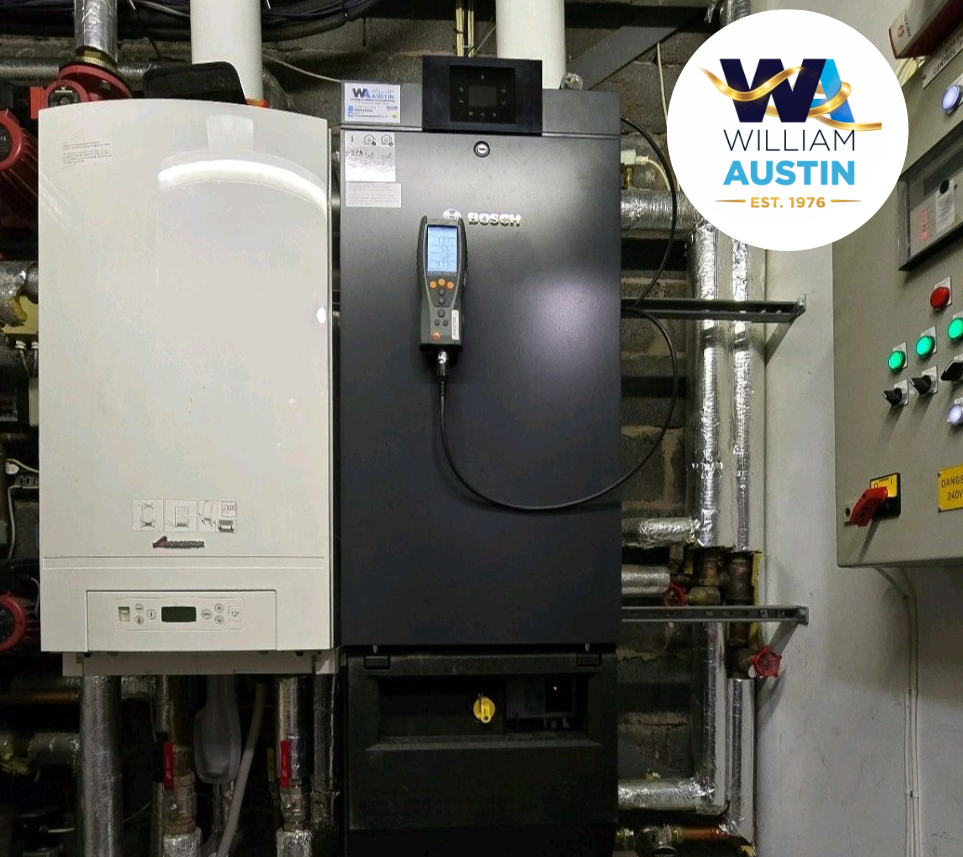
Poorly Maintained Heat Transfer Components
One of the most common sources of energy loss in commercial HVAC systems occurs within components responsible for heat transfer.
Equipment such as heating and cooling coils, heat exchangers, and condensers rely on clean surfaces and unrestricted airflow to operate efficiently. Over time, however, these components can accumulate dust, debris, and scale, reducing their ability to transfer heat effectively.
When this happens, HVAC equipment must work harder to deliver the same heating or cooling output. Fans run longer, compressors cycle more frequently, and boilers or chillers consume more energy to maintain system temperatures.
Routine inspection and cleaning of heat transfer components is essential to maintaining system efficiency. Even relatively small levels of fouling can reduce performance significantly, making regular maintenance a simple but highly effective way to reduce energy waste.
Inefficient Pump Operation
Circulation pumps play a critical role in moving heated or chilled water throughout a building’s HVAC system. When pumps are incorrectly sized, poorly configured, or operating continuously at full speed, they can contribute significantly to unnecessary energy consumption.
In many older systems, pumps run at fixed speeds regardless of actual demand. This means that even during periods of reduced occupancy or lower heating and cooling requirements, pumps may continue circulating water at maximum output.
Modern pump configurations, including variable speed operation and duty-rotation setups, allow systems to respond more accurately to real building demand. By adjusting flow rates dynamically, these systems can significantly reduce electrical consumption while maintaining consistent system performance.
Reviewing pump configuration and control strategies is often one of the most effective ways to improve HVAC energy efficiency across a commercial building.
Poor System Balancing
Another common source of energy inefficiency within commercial HVAC systems is improper system balancing.
Balancing ensures that the correct amount of air or water reaches each part of the building. When systems are unbalanced, certain areas may receive too much heating or cooling while others receive too little.
This imbalance often leads to a cycle of adjustment and compensation. Thermostats call for additional heating or cooling, valves open further, and pumps or fans increase output in an attempt to meet demand. The result is higher energy consumption and inconsistent comfort levels across the building.
Proper system balancing ensures that heating and cooling energy is distributed evenly, helping HVAC systems operate more efficiently while improving occupant comfort.
Ineffective Controls and BMS Settings
Modern commercial HVAC systems are increasingly integrated with building management systems (BMS) designed to optimise system performance.
However, if control strategies are poorly configured or not regularly reviewed, HVAC systems may operate inefficiently without anyone realising.
Common control-related issues include systems running outside occupied hours, heating and cooling operating simultaneously, or ventilation systems running at full capacity when demand is low.
Optimising control strategies allows HVAC systems to respond more intelligently to building occupancy, external temperatures, and operational schedules. When controls are configured correctly, buildings can achieve substantial energy savings while maintaining stable indoor conditions.
Ageing Equipment and System Design Limitations
In many commercial buildings, HVAC systems have evolved over time as spaces have been renovated, repurposed, or expanded.
While the original system design may have been appropriate when first installed, changes in building usage can alter heating and cooling demands significantly.
Older equipment may also lack the efficiency improvements found in modern systems, leading to higher operating costs and reduced performance.
Periodic system reviews allow facilities teams to assess whether equipment is still aligned with current building requirements. In some cases, small adjustments to system configuration can deliver noticeable efficiency improvements without requiring full system replacement.
Why Early Intervention Matters
Energy losses within HVAC systems rarely appear suddenly. Instead, they tend to develop gradually as equipment ages, settings drift, and building demands change.
Without regular oversight, these inefficiencies can quietly increase operational costs while placing additional strain on system components.
By identifying and addressing energy losses early, facilities managers can:
Improve overall system efficiency
Reduce energy consumption and operating costs
Maintain consistent indoor comfort
Extend the lifespan of critical HVAC equipment
Reduce the risk of unexpected system failures
In many cases, relatively minor adjustments can deliver meaningful improvements in system performance.
Final Thoughts
Commercial HVAC systems are complex networks of equipment working together to maintain comfortable, productive environments.
When energy losses occur, they are rarely caused by a single issue. Instead, inefficiencies typically develop across several parts of the system, from heat transfer components and pumps to ventilation systems and control strategies.
For facilities managers and building operators, understanding where these losses occur is an important step towards improving efficiency and protecting long-term system reliability.
At William Austin, we work closely with businesses across the UK to maintain, optimise, and support commercial HVAC systems as long-term partners. If you would like guidance on improving HVAC system efficiency or identifying potential energy losses within your building, our team is always happy to help.
Written by Will Judd
Published: 05/03/2026