

How Often Should HVAC Air Filters Be Replaced?
When it comes to maintaining a healthy, efficient, and reliable HVAC system, there’s one small component that has a surprisingly big impact, the air filter. Whether you manage a busy office, run a school, or oversee a commercial facility, keeping your air filters in good condition is one of the simplest, and most cost-effective steps you can take to protect your heating and cooling equipment.
Yet it is also one of the most overlooked. So, how often should HVAC air filters really be replaced? And why does it matter so much for commercial buildings? Let’s break it down in a way that’s easy, practical, and relevant all year round, with a touch of seasonal tips now that winter has arrived.
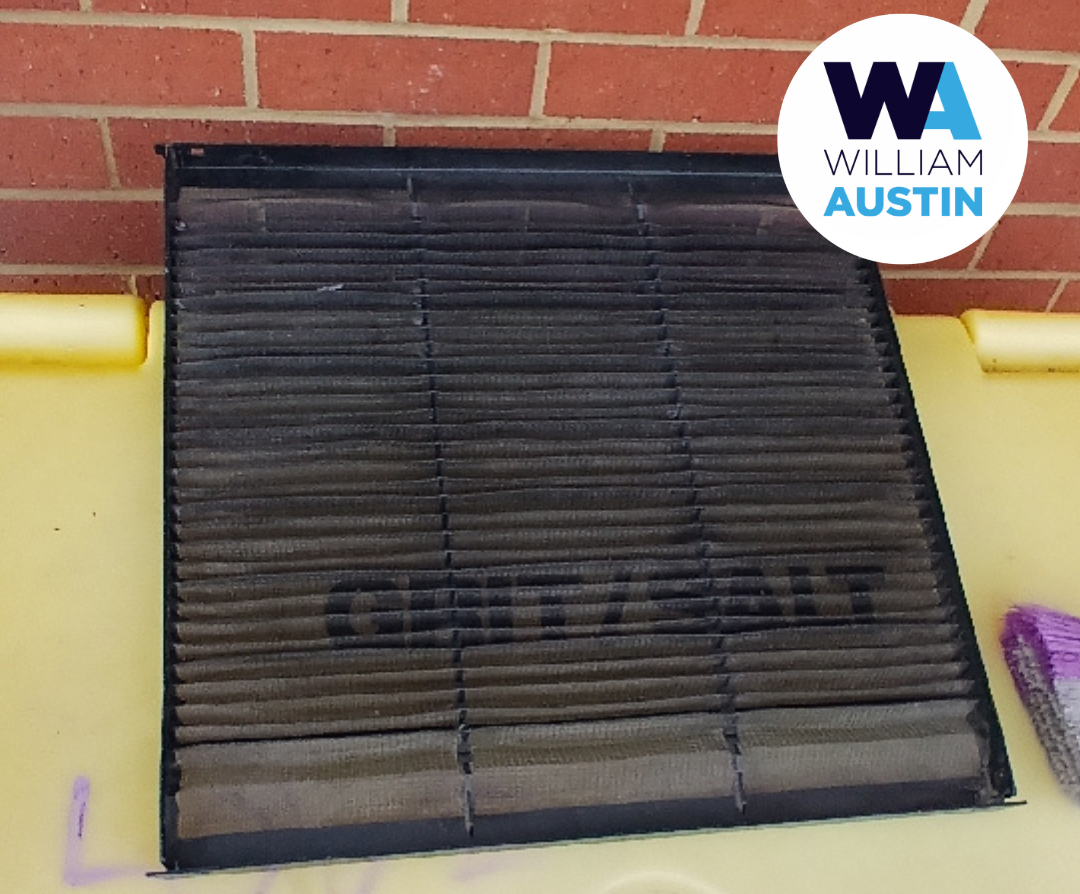
Why Air Filters Matter More Than You Think
Air filters do far more than trap dust, they directly affect:
Indoor air quality, which is vital for staff wellbeing, customer comfort, and regulatory compliance.
Energy efficiency with clogged filters, they can tend to make systems work harder, increasing energy use.
System lifespan, as dirty filters put strain on motors, fans, and coils.
Overall performance, because airflow issues can lead to uneven temperatures and complaints.
For commercial HVAC systems, especially those running for long hours, air filters can become blocked far quicker than many businesses expect.
How Often Should You Replace HVAC Air Filters?
For UK commercial environments, a good rule of thumb is typically every 1-3 months, as this range allows for variation in building type, system usage, occupancy levels, and environmental conditions.
Here’s a quick guide based on different commercial settings:
Office Buildings - Replace every 2-3 months, as offices tend to have moderate foot traffic, and many use standard pleated filters. More frequent changes may be needed in open-plan layouts or high-density workplaces.
Retail, Hospitality, or Customer-Facing Environments - Replace every 1-2 months, with doors opening frequently, fluctuating occupancy levels, and higher airborne particles, like fabrics or cleaning fumes, can clog filters faster.
Industrial Units or Warehouses- Replace every month, as dust, contaminants, and airborne particles significantly reduce filter life.
Schools and Small Businesses - Replace every 1-3 months, depending on daily footfall and building layout. Even if the building is small, compact systems often work harder and benefit from consistent filter changes.
As we experience the colder months yet again, HVAC systems naturally run more often to maintain comfortable temperatures, and this means that filters can clog faster, airflow becomes more crucial for heating efficiency, and poor maintenance can lead to breakdowns at the worst possible time. Replacing filters slightly more frequently in winter is a smart, low-cost precaution.
Signs Your Air Filter Needs Changing Sooner
Even if you’re following a schedule, your HVAC system may need more frequent changes if:
Staff notice dusty air, dryness, or irritation.
Rooms feel harder to heat or cool.
Your HVAC system sounds louder than usual.
Energy bills increase unexpectedly.
The filter looks visibly dirty, a quick check goes a long way.
If you’re unsure, visual inspections every 4-6 weeks are an easy safeguard.
The Benefits of Routine Air Filter Replacement
Replacing HVAC air filters regularly isn’t just scheduled maintenance, it’s a strategic business win:
Reduced Energy Costs - Clean filters help air move freely, reducing strain and cutting energy consumption.
Better Indoor Air Quality - Staff comfort improves, allergens decrease, and your building feels noticeably fresher.
Improved System Reliability - A clean filter is one of the best defences against breakdowns, especially during winter when heating systems run harder.
Longer Equipment Lifespan - Less strain leads to fewer repairs and a longer lasting HVAC system.
Predictable Maintenance Planning - Scheduled filter changes make maintenance budgeting easier for commercial and small businesses alike.
Final Thoughts and a Soft Reminder
Regular HVAC air filter replacement is one of the simplest ways for UK businesses and schools to maintain indoor air quality, reduce energy use, and protect heating and cooling systems all year round, especially as winter puts extra pressure on equipment. If you’re not sure how often your filters should be changed, or you’d like support setting up a sensible maintenance schedule, our team is always happy to help and offer guidance.
A small change really can make a big difference.
Written by Will Judd
Published: 04/12/2025