

How to Know When Your Commercial Condensing Unit Needs Servicing
In many commercial buildings, air conditioning systems operate quietly in the background, maintaining comfortable temperatures across offices, schools, retail spaces, and other busy environments without drawing much attention.
But when cooling performance begins to drift, energy bills rise unexpectedly, or systems struggle during warmer weather, the condensing unit is often at the centre of the issue.
For facilities managers, building owners, and directors responsible for maintaining reliable building performance, recognising the warning signs early can help avoid costly breakdowns, reduce disruption, and improve long-term system efficiency.
So, how do you know when a commercial condensing unit needs servicing?
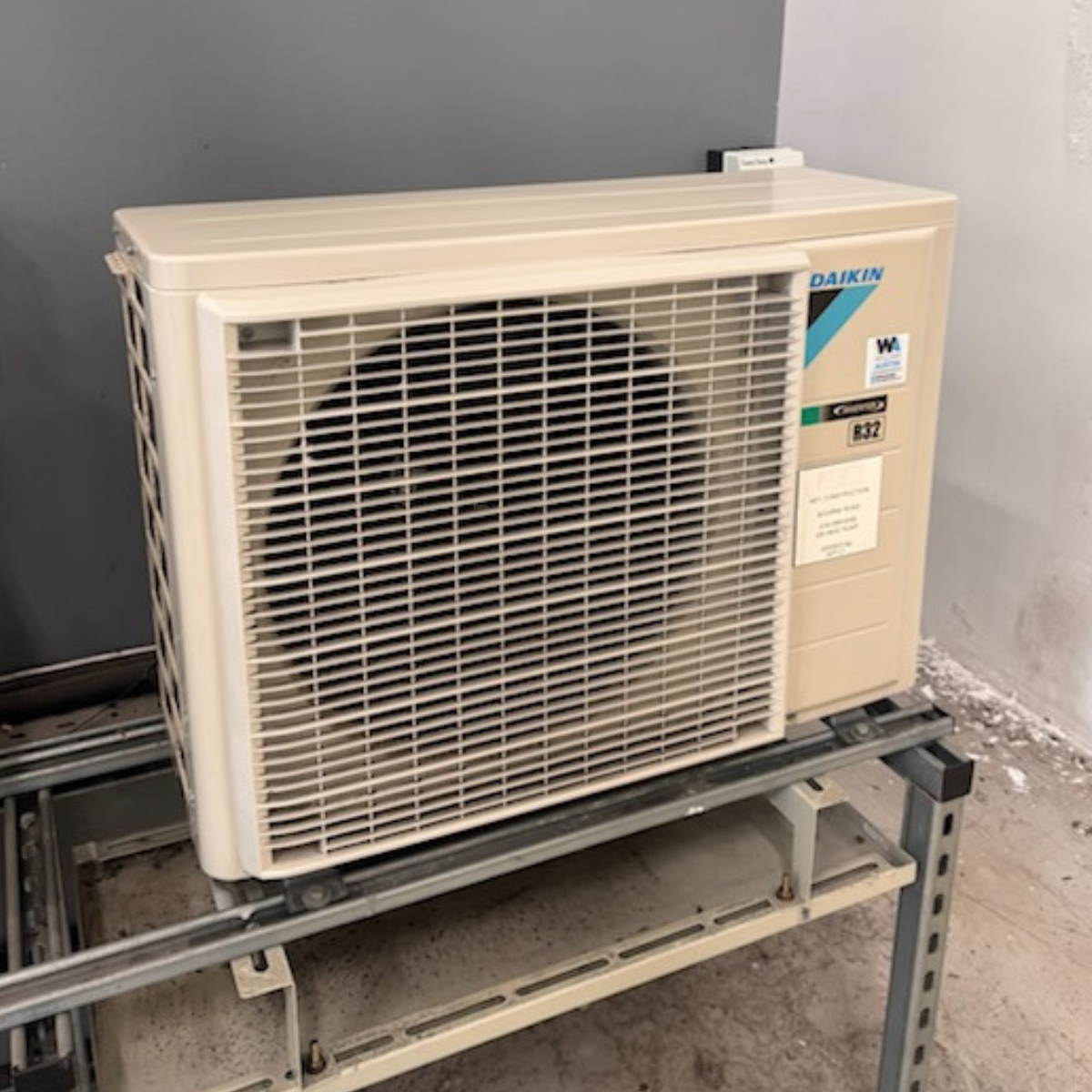
What Is a Commercial Condensing Unit?
A commercial condensing unit forms a critical part of many air conditioning and refrigeration systems. Typically located externally, the condensing unit is responsible for releasing heat removed from inside the building.
Within the unit are key components such as the compressor, condenser coil, fan motors, and electrical controls, all working together to support stable cooling performance throughout the building.
In commercial environments across the UK, condensing units are often exposed to constant operation, changing weather conditions, and airborne debris. Over time, that combination naturally leads to wear, dirt accumulation, and reduced efficiency if systems are not properly maintained.
Why Servicing Matters More Than Many Businesses Realise
Condensing units rarely stop working overnight without warning. More often, performance gradually declines over time while the system continues operating in the background.
Because these issues develop slowly, many buildings continue running inefficiently without anyone realising the true impact on energy consumption or equipment strain.
As the condensing unit works harder to achieve the same cooling output, systems often experience higher running costs, reduced cooling efficiency, increased wear on compressors, inconsistent indoor temperatures, and greater risk of unexpected failure during periods of peak demand.
In busy commercial spaces, particularly offices, schools, healthcare environments, and retail sites, these issues can quickly affect occupant comfort and operational continuity. Routine servicing helps identify these problems early before they escalate into larger and more expensive faults.
Reduced Cooling Performance
One of the clearest signs that a condensing unit may require servicing is reduced cooling performance across the building.
Rooms may take longer to cool, temperatures may fluctuate throughout the day, or occupants may begin reporting uncomfortable areas within the building.
In many cases, the issue is not immediately caused by major component failure. Instead, reduced airflow, dirty condenser coils, refrigerant inefficiencies, or declining compressor performance gradually reduce the system’s ability to reject heat effectively.
As efficiency drops, the HVAC system must work harder and run longer to maintain target temperatures.
Rising Energy Consumption
Energy efficiency remains a major focus for commercial buildings across the UK, particularly as businesses continue looking for ways to reduce operational costs and improve sustainability targets.
A struggling condensing unit can quietly increase energy usage long before a complete breakdown occurs.
Dirty coils, failing fan motors, restricted airflow, and inefficient compressors all force the system to consume more electricity to achieve the same level of cooling performance.
For facilities teams monitoring utility costs, unexplained increases in HVAC energy usage are often an early indicator that servicing is overdue.
Short Cycling and System Strain
Another common warning sign is short cycling, where the HVAC system repeatedly starts and stops over short periods rather than operating steadily.
Short cycling increases strain on compressors and electrical components while also reducing overall energy efficiency. This behaviour can sometimes be linked to refrigerant issues, restricted airflow, dirty coils, or faults within the condensing unit controls.
Because compressors are among the most expensive components within commercial HVAC systems, identifying these issues early can help businesses avoid significant repair costs later.
The Importance of Planned Maintenance
In many commercial buildings, HVAC maintenance only becomes a priority once something stops working.
However, reactive maintenance often leads to higher costs, greater disruption, and reduced system lifespan over time.
Planned servicing allows engineers to assess the overall health of the condensing unit, clean critical components, verify refrigerant performance, inspect electrical systems, and identify developing faults before they affect building operations.
Beyond improving reliability, regular maintenance also helps systems operate more efficiently, which can contribute to lower energy consumption and improved long-term asset protection.
Final Thoughts
Commercial condensing units play a vital role in maintaining stable, efficient cooling across modern buildings. While they may often go unnoticed when operating correctly, declining performance can quickly affect comfort levels, energy costs, and overall system reliability.
For facilities managers and building operators, recognising the warning signs early and investing in planned servicing can make a significant difference to both operational performance and long-term HVAC costs.
At William Austin, we support businesses across the UK with commercial HVAC servicing, maintenance, and system optimisation. From routine inspections to reactive support, our engineers help businesses keep critical cooling systems operating efficiently, reliably, and ready for demand.
Written by Will Judd