

The Difference a Clean Evaporator Filter Makes to Your Commercial Air Conditioning System
In commercial buildings, air conditioning performance is rarely something that improves dramatically overnight. Efficiency losses develop gradually, energy consumption creeps upward incrementally, and the gap between how a system is performing and how it should be performing widens so slowly that it can be difficult to notice until the difference becomes significant.
Evaporator filter maintenance is one of the clearest exceptions to that pattern.
A filter that has been properly cleaned or replaced, after operating beyond its service interval, can restore meaningful levels of performance to a commercial air conditioning system in a single maintenance visit. The improvement is measurable, immediate, and often more significant than facilities teams expect.
Understanding why requires understanding what an evaporator filter actually does, and what changes when it's returned to the condition it was designed to operate in.
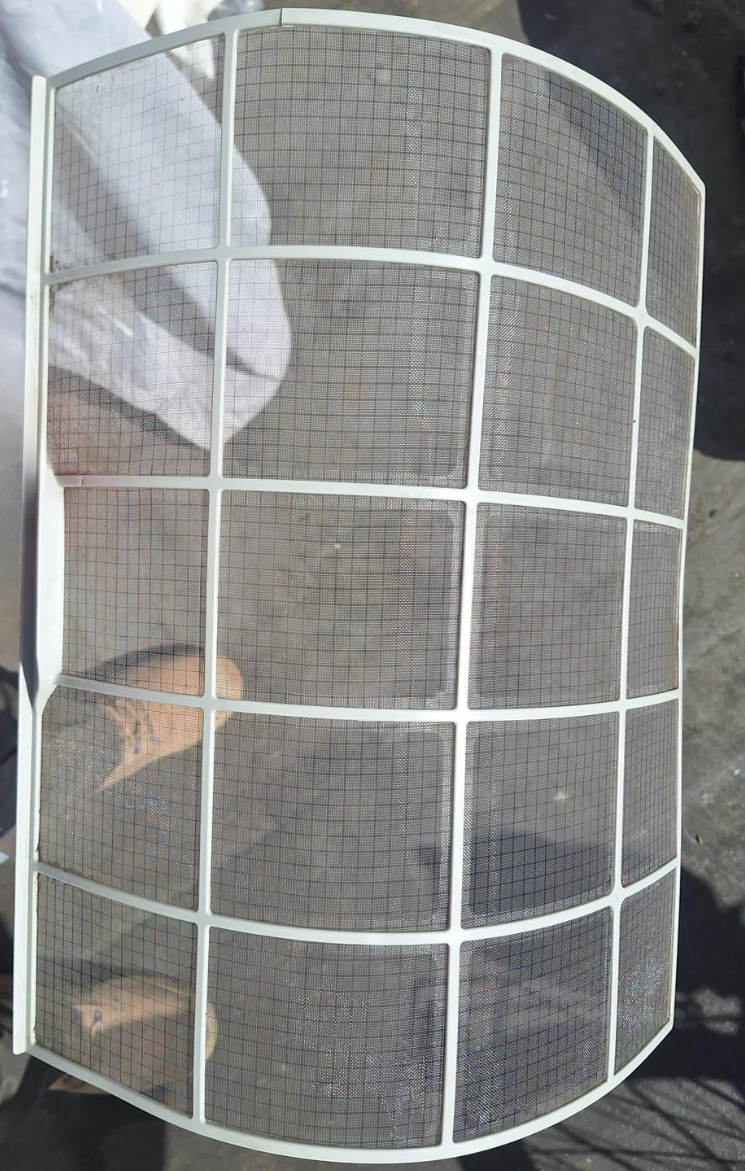
What an Evaporator Filter Does
The evaporator filter sits directly in front of the evaporator coil, the component responsible for absorbing heat from the building's air and transferring it into the refrigerant circuit. Its role is to intercept dust, particulates, and debris before they reach the coil surface.
When the filter is clean, air moves freely across the coil. Heat transfer happens efficiently. The system operates within its designed parameters, consuming the energy it's supposed to and delivering the cooling output it was specified for.
It's a simple function. But the filter's position in the system means that its condition has a direct and immediate influence on almost everything the air conditioning unit does.
What Changes When a Filter Is Cleaned
The most immediate effect of a clean evaporator filter is restored airflow. With particulates removed and the filter returned to its full capacity, air can once again move freely across the evaporator coil, and the difference that makes to system performance is more significant than the filter's modest size might suggest.
Heat transfer efficiency improves as airflow is restored. The system no longer has to work harder and run longer to achieve the same cooling output. Energy consumption falls back towards the level the equipment was designed to operate at, which in a commercial building running air conditioning for extended hours can represent a meaningful reduction in running costs.
The risk of evaporator coil icing, a direct consequence of restricted airflow and reduced coil temperatures, is eliminated. The compressor, which bears the brunt of operating under restricted conditions, is relieved of the additional stress that a blocked filter places on it. And the air being circulated throughout the building is once again being properly filtered, rather than bypassing a saturated filter and carrying particulates into the occupied space.
The Coil Behind the Filter
A clean filter also allows engineers to properly assess the condition of the evaporator coil itself, something that simply isn't possible when the filter is heavily loaded.
In buildings where filters have been left beyond their service interval for an extended period, the coil behind the filter may itself require attention. Particulates that have bypassed or penetrated a heavily loaded filter accumulate on the coil surface, reducing its heat transfer capacity in the same way that scale affects a heat exchanger.
Addressing the filter without checking the coil behind it only resolves part of the problem. A thorough maintenance visit covers both, ensuring that the full efficiency benefit of clean filtration is realised rather than partially offset by a coil that remains fouled.
How Often Should Commercial Evaporator Filters Be Serviced?
The right service interval for evaporator filters in a commercial building depends on the environment the system is operating in and the volume of air it's processing.
In a typical commercial office, filter inspection every three to six months is generally appropriate. In more demanding environments, high footfall retail spaces, commercial kitchens, manufacturing facilities, or buildings undergoing refurbishment, that interval may need to be considerably shorter.
The challenge is that filter condition can only be assessed by opening the unit and physically inspecting it. A system that appears to be operating normally from the outside may be harbouring a filter that is significantly restricting airflow internally. Without a planned maintenance programme that includes routine filter checks, there is no reliable way to know.
A Small Maintenance Task With a Disproportionate Impact
Evaporator filter maintenance sits at the more straightforward end of commercial air conditioning servicing. It doesn't require specialist equipment, complex diagnosis, or significant disruption to the building or its occupants.
But its impact on system performance, energy consumption, equipment longevity, and indoor air quality is disproportionately large relative to the simplicity of the task. In many commercial buildings, it represents one of the highest-return maintenance interventions available, delivering immediate, measurable improvements for a modest investment of time and resource.
For facilities teams managing buildings where air conditioning performance and energy efficiency matter, it's one of the last things that should be overlooked.
Final Thoughts
A clean evaporator filter is a small thing that makes a significant difference. It restores airflow, improves efficiency, protects the components downstream of it, and ensures that the air circulating through the building is being properly filtered.
In a well-maintained commercial air conditioning system, it should never be the limiting factor on performance. With the right maintenance programme in place, it won't be.
At William Austin, evaporator filter checks form a standard part of every commercial air conditioning maintenance visit we carry out. If you'd like to discuss a maintenance programme for your building, our team is always happy to help.
Written by Will Judd