

What Does an Air Handling Unit Do? Why AHUs Matter in Commercial Buildings
In many commercial buildings, air handling units work quietly in the background, rarely noticed when everything feels comfortable and balanced. But when indoor conditions slip, temperatures feel inconsistent, air feels stale, or energy costs creep upward, the AHU is often at the centre of the issue.
For facilities managers, building owners, and directors, understanding what an air handling unit does, and why its performance matters, is key to maintaining comfortable, efficient, and well-run buildings. When an AHU isn’t operating as intended, the impact is felt across productivity, running costs, and occupant wellbeing long before a fault becomes obvious.
So, what role does an AHU really play, and why does it deserve more attention than it often gets?
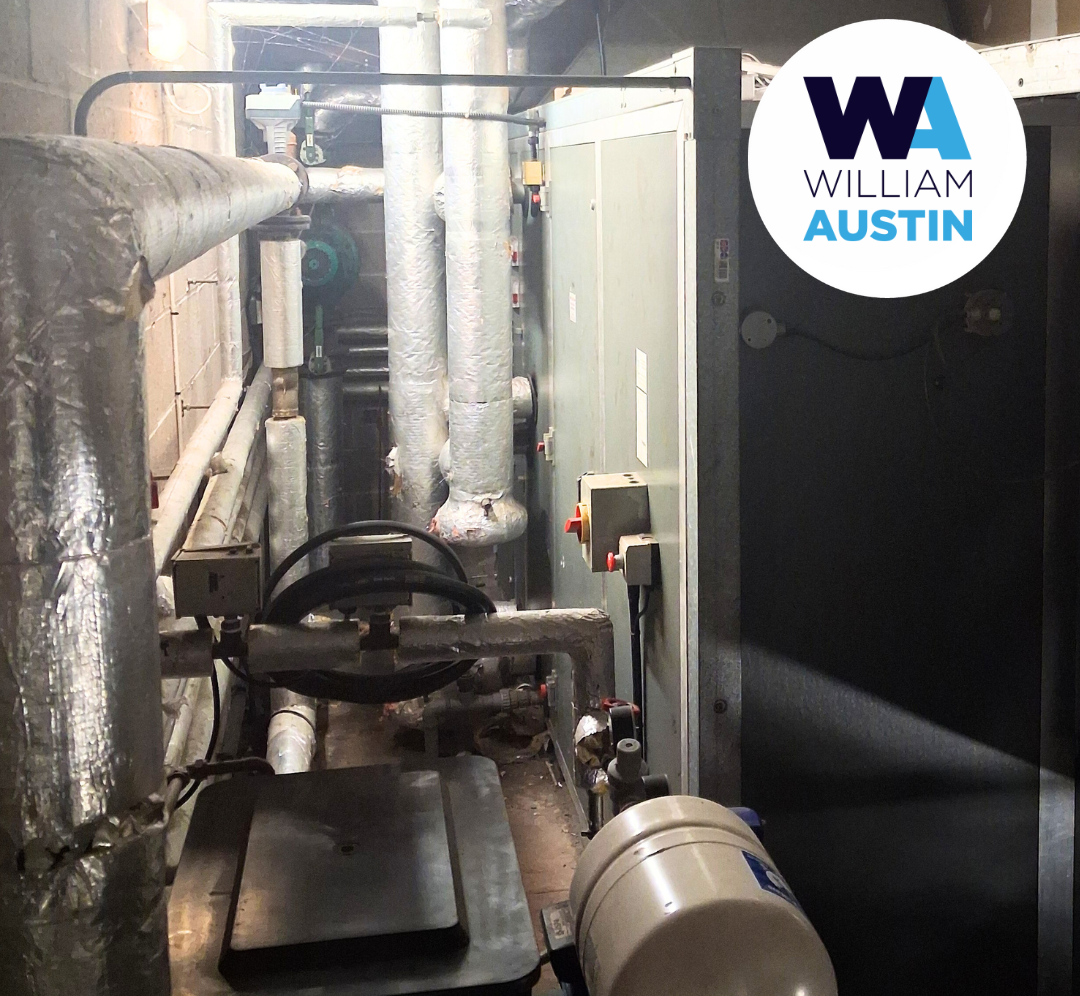
What Does an Air Handling Unit Do?
At its core, an AHU is responsible for circulating and conditioning air throughout a building. It draws in fresh air, filters it, heats or cools it as required, and distributes it to different areas via ductwork. In many commercial environments, AHUs also extract stale air to maintain balance and ventilation levels.
Unlike split systems or localised units, an AHU often serves large zones or entire buildings. That means its performance directly influences temperature control, airflow consistency, indoor air quality, and energy efficiency across the whole space.
When an AHU is working properly, occupants rarely think about it. Temperatures feel stable, air feels fresh, and systems operate efficiently in the background. But when performance begins to slip, those changes are felt quickly.
Why AHUs Matter More Than You Think
Air handling units sit at the heart of many commercial HVAC systems, and when they operate inefficiently, the knock-on effects can be wide-ranging.
Poorly performing AHUs can lead to uneven heating or cooling, increased energy consumption, uncomfortable working conditions, and unnecessary strain on associated plant. In environments like schools, and offices, this can affect concentration, productivity, and overall comfort. In multi-use commercial buildings, it can even influence how spaces are used every day to day.
Because AHUs often support multiple areas at once, small inefficiencies are amplified across the building. That’s why issues that seem minor at first can quietly become costly over time.
Common Issues That Affect AHU Performance
Air handling units operate under constant demand, and over time, wear and inefficiencies naturally develop. Some of the most common issues seen in commercial environments include:
Restricted Airflow
Dirty filters, blocked coils, or ductwork obstructions reduce airflow, forcing fans to work harder and increasing energy use while delivering less effective ventilation.
Heat Transfer Inefficiencies
When heating or cooling coils become fouled or damaged, the unit struggles to condition air efficiently, leading to temperature instability and longer runtimes.
Control and Balancing Problems
Faulty sensors, poorly calibrated controls, or incorrect zoning can result in over-conditioning some areas while other remain uncomfortable.
Fan and Motor Wear
Fans running continuously under strain experience gradual performance loss, often increasing noise levels and reducing overall system efficiency.
These issues rarely appear overnight. Instead, they develop slowly, often unnoticed until comfort complaints or rising energy costs bring them to light.
The Importance of Planned Maintenance and Optimisation
Planned maintenance plays a crucial role in keeping air handling units performing as intended.
Regular servicing allows engineers to clean components, replace filters, check airflow rate inspect motors and belts, and verify control operation. Just as importantly, it provides an opportunity to assess how the AHU is performing against the building’s actual usage, which often changes over time.
Optimising an AHU isn’t just about preventing breakdowns, it’s about ensuring the system continues to support comfort efficiency, and reliability as demands evolve. Many commercial buildings operate their AHUs far longer than originally intended, making proactive maintenance essential to extending system life and avoiding disruption.
Why Early Attention Makes a Difference
Because air handling units support such a large portion of building’s HVAC operation, small performance issues can quickly scale into bigger problems.
Addressing inefficiencies early helps to:
Maintain consistent comfort across occupied spaces
Control energy consumption and running costs
Reduce stress on connected heating and cooling equipment
Support healthier indoor environments
Extend the lifespan of major HVAC assets
In many cases, the differences between a well-performing AHU and an underperforming one comes down to visibility, understanding, and regular professional oversight.
Final Thoughts
Air handling units may not be the most visible part of a commercial HVAC system, but they are among the most influential. When they perform well, buildings feel comfortable, efficient, and balanced, although when they don’t, the impact is felt everywhere.
For those responsible for schools, offices, and other commercial environments, taking a proactive approach to AHU maintenance and optimisation is one of the most effective ways to protect comfort, efficiency, and long-term system performance.
At William Austin, we work closely with businesses across the UK to design, maintain, and optimise air handling systems that support buildings are used. If you’d like expert guidance on improving AHU performance or understanding what your system needs, our team is always happy to help.
Written by Will Judd
Published: 05/02/2026