

Signs Your Commercial BMS Needs Upgrading, and Why You Shouldn't Ignore Them
In many commercial buildings, the Building Management System sits quietly behind the scenes, adjusting temperatures, scheduling plant, and keeping heating and cooling systems talking to each other without anyone giving it a second thought.
But when a BMS starts falling behind, whether through ageing hardware, outdated software, or simply being left unloved for too long, the building rarely shouts about it. Instead, the signs show up gradually: creeping energy bills, inconsistent comfort, and engineers being called out for problems the system should have flagged on its own.
For facilities managers, building owners, and operations teams, recognising those signs early can mean the difference between a planned upgrade and an expensive reactive fix. So how do you know when your BMS has reached the point of needing an upgrade, rather than just a tweak?
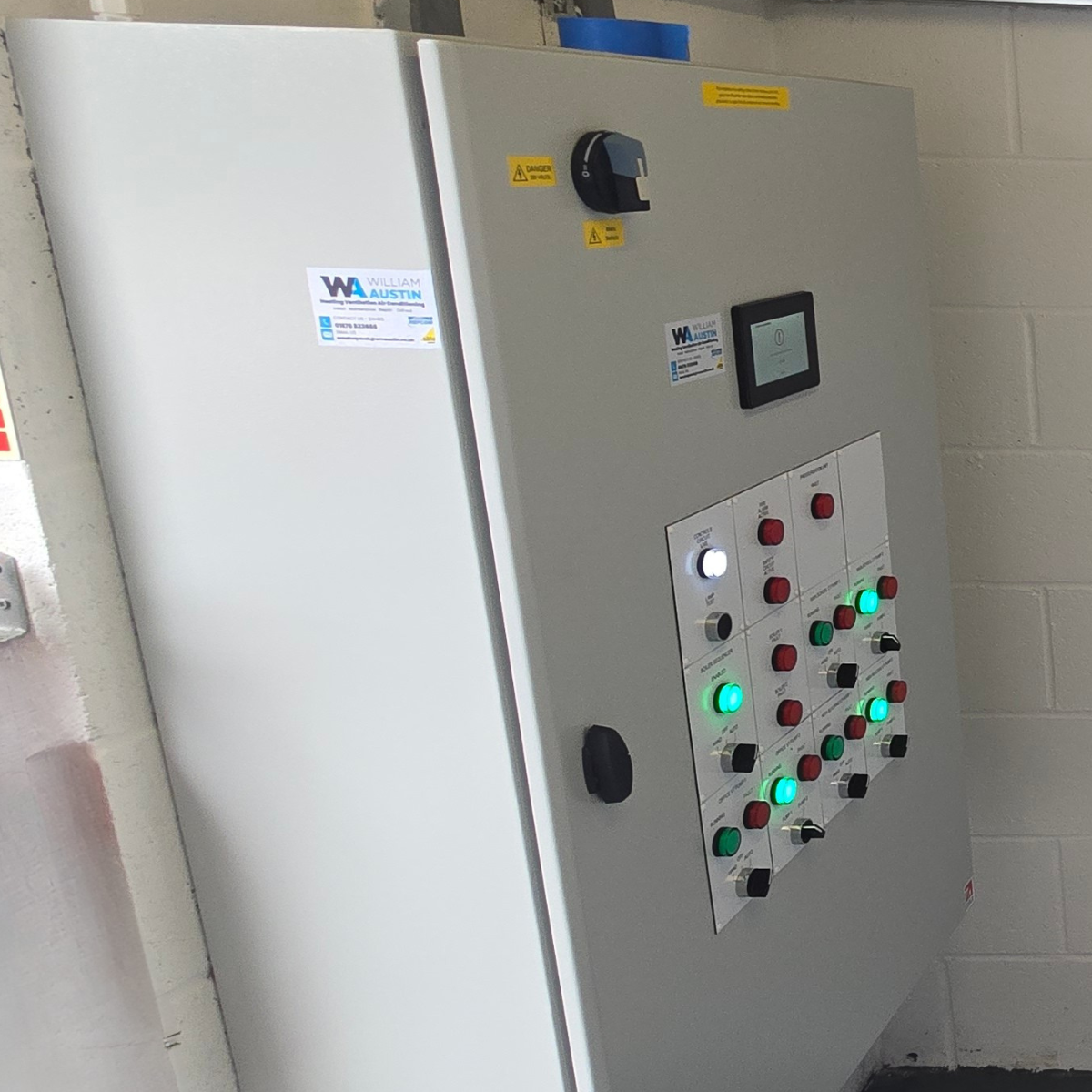
What Does a BMS Actually Do?
A Building Management System is the control layer that ties a building's heating, cooling, ventilation, and often lighting together. It schedules when plant runs, monitors performance, and should flag problems before they become breakdowns.
Done well, a BMS takes the guesswork out of running a building. Done badly, or left to age without attention, it becomes something facilities teams work around rather than rely on.
In commercial buildings across the UK, many BMS installations are now ten, fifteen, even twenty years old. The hardware still technically works, but the building, the occupancy patterns, and the systems connected to it have all moved on.
Why BMS Systems Fall Behind
BMS controls don't usually fail outright. They drift.
Software stops being updated. Original installers move on or stop supporting older platforms. Sensors drift out of calibration without anyone noticing. And as buildings change use, expand, or have new plant fitted, the BMS often isn't reconfigured to match, leaving it managing a building that no longer looks like the one it was set up for.
Over time, this gap between what the BMS was designed to do and what the building actually needs widens, until the system becomes more of a hindrance than a help:
No Remote Access or Visibility
If checking on a building means physically going to a panel, or calling an engineer out just to see what's happening, that's a clear sign the BMS hasn't kept pace with what's now considered standard.
Modern systems give facilities teams visibility from a phone or laptop, day or night. Without that, problems often go unnoticed until someone in the building complains.
Manual Overrides Becoming the Norm
A well-functioning BMS should reduce the need for manual intervention, not increase it.
If your team is regularly overriding schedules, manually switching plant on and off, or working around the system rather than through it, the controls are no longer doing the job they were installed for.
Rising Energy Bills With No Clear Explanation
Outdated scheduling, sensors drifting out of calibration, and heating or cooling running longer than necessary are all common causes of unexplained energy creep.
A BMS that isn't optimised can quietly add significant cost to a building's energy bill, often well before anyone identifies the controls as the cause.
Limited or No Fault Alerts
Older systems often lack meaningful alerting, or generate so many false alarms that real faults get missed in the noise.
If your team is finding out about plant failures from occupants rather than from the system itself, that's a strong signal the BMS isn't pulling its weight.
Difficulty Sourcing Parts or Support
As BMS platforms age, manufacturers stop supporting them, specialist parts become harder to source, and fewer engineers are trained on the older protocols.
When every fault risks becoming a hunt for compatible parts or a specialist who still understands the system, it's usually a sign the platform has reached the end of its practical life.
Heating and Cooling Working Against Each Other
In buildings with poorly configured or ageing controls, it's not unusual for heating and cooling systems to fight each other, one trying to warm a space while the other tries to cool it, wasting energy and creating uncomfortable conditions in the process.
This is one of the more expensive symptoms of a tired BMS, and one of the easiest to fix with the right upgrade.
The Role of a BMS Upgrade
A BMS upgrade doesn't always mean ripping everything out and starting again. Often, it means engineers reviewing the existing setup, identifying where controls, sensors, or software are holding the building back, and upgrading the parts that matter most.
That can include modernising the front-end interface, adding remote access and alerting, recalibrating sensors, reconfiguring schedules to match how the building is actually used, and ensuring heating and cooling systems are working together rather than against each other.
The result is a system that supports the building, rather than one the facilities team has to manage around.
Why Acting Early Matters
Addressing an ageing BMS sooner rather than later helps:
Reduce energy costs across the building
Improve comfort and reduce occupant complaints
Give facilities teams real visibility and control
Extend the working life of connected HVAC plant
Avoid the higher costs of reactive fixes and emergency callouts
Left unaddressed, an outdated BMS tends to become a hidden cost centre, quietly working against the very efficiency and comfort goals it was originally installed to support.
Final Thoughts
A Building Management System is supposed to make running a building easier, not harder. When it starts falling short, whether through age, poor configuration, or simply being left behind as the building has changed, the signs are usually there long before a major failure forces the issue.
Whether you're managing offices, a school, a healthcare site, or a busy hospitality venue, keeping an eye on how your BMS is actually performing, rather than assuming it's quietly doing its job, can save significant cost and disruption down the line.
At William Austin, we help businesses across the UK review, optimise, and upgrade BMS controls so they support the building rather than work against it. If your system is showing any of these signs, we're happy to take a look.
Written by Will Judd